
Hearing is one of the most vital senses that connects people to the world around them. From engaging in conversations with loved ones to enjoying the sounds of nature or music, the ability to hear plays a central role in quality of life. However, millions of people worldwide experience hearing loss, whether due to aging, prolonged exposure to loud noise, 弱聽人士 conditions, or genetic factors. Fortunately, technology has provided a solution in the form of hearing aids—small, advanced devices that significantly improve hearing ability and communication.
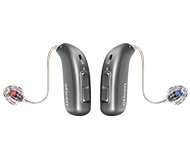
A hearing aid is an electronic device designed to amplify sound, making it easier for individuals with hearing loss to perceive speech and environmental sounds. While early models were bulky and limited in performance, modern hearing aids are sophisticated, discreet, and capable of adapting to various environments. They have transformed from simple amplifiers into intelligent devices powered by digital processing, artificial intelligence, and wireless connectivity, allowing users not only to hear better but also to enjoy modern conveniences such as streaming calls or music directly into their ears.
How Hearing Aids Work
The basic function of a hearing aid is to capture sound, process it, and deliver it into the ear at a volume and clarity that suits the user’s hearing needs. These devices generally consist of three main components:
Microphone – captures sound waves from the environment.
Amplifier/Processor – converts sound into digital signals and enhances them based on the user’s hearing loss pattern.
Speaker/Receiver – delivers the processed sound into the ear canal.
Modern digital hearing aids are programmed according to the user’s audiogram, which maps their specific hearing loss across different frequencies. This ensures that soft sounds are amplified while loud sounds are kept at safe levels, providing comfort and clarity without distortion. Many hearing aids also come with noise reduction, directional microphones, and automatic adjustments to make listening easier in noisy or complex environments.
Types of Hearing Aids
Hearing aids come in various styles, each suited to different degrees of hearing loss, lifestyle needs, and cosmetic preferences. Some of the most common types include:
Behind-the-Ear (BTE): These rest behind the ear with a tube connecting to an earpiece. They are durable, powerful, and suitable for all ages, including children.
Receiver-in-Canal (RIC): A more discreet version of BTE, with the receiver placed inside the ear canal. They provide natural sound quality and comfort.
In-the-Ear (ITE): Custom-fitted devices that sit entirely in the outer ear, offering more discretion than BTE styles.
In-the-Canal (ITC) and Completely-in-Canal (CIC): Smaller custom models that fit partially or completely inside the ear canal. These are less visible but may not be suitable for severe hearing loss.
Invisible-in-Canal (IIC): The tiniest models available, virtually invisible when worn, but typically designed for mild to moderate hearing loss.
Choosing the right type of hearing aid depends on factors such as the degree of hearing loss, ear anatomy, lifestyle, dexterity, and budget. Audiologists play a crucial role in guiding individuals toward the most appropriate option.
Benefits of Using Hearing Aids
The advantages of using a hearing aid extend far beyond improved hearing. Studies show that untreated hearing loss can lead to social isolation, depression, cognitive decline, and even an increased risk of dementia. By restoring auditory input, hearing aids help individuals remain engaged and connected.
Some key benefits include:
Enhanced Communication: Conversations become clearer, reducing the need for constant repetition or misunderstanding.
Improved Mental Health: Users often experience reduced stress, better mood, and increased confidence in social interactions.
Cognitive Support: Better hearing reduces the mental effort required to understand speech, supporting brain health and memory.
Greater Safety: Being able to hear alarms, traffic, or other warning sounds enhances personal safety.
Lifestyle Convenience: With features like Bluetooth streaming, hearing aids can connect to smartphones, Tvs, and other devices for a seamless listening experience.
Modern Innovations in Hearing Aid Technology
Hearing aids today are more advanced than ever, thanks to innovations in digital technology and artificial intelligence. Some of the latest features include:
Rechargeable Batteries: Eliminating the need for frequent battery changes, making devices more eco-friendly and convenient.
Bluetooth Connectivity: Allowing direct streaming of calls, music, and media from smartphones or tablets.
Artificial Intelligence: Enabling devices to automatically adjust settings depending on the environment, whether it’s a quiet room or a noisy restaurant.
Remote Programming: Audiologists can fine-tune devices remotely, saving users time and providing continuous support.
Tinnitus Management: Some models include sound therapy features to reduce the perception of ringing in the ears.
These advancements not only enhance hearing but also integrate seamlessly into modern lifestyles, making hearing aids both a medical device and a smart accessory.
Challenges and Misconceptions
Despite their benefits, many people hesitate to use hearing aids due to misconceptions or stigma. Common myths include the belief that hearing aids are too noticeable, ineffective, or only for the elderly. In reality, hearing loss affects people of all ages, and today’s devices are discreet, powerful, and user-friendly.
Another challenge is affordability. High-quality hearing aids can be expensive, and not all insurance plans cover them. However, with the growing recognition of hearing health as essential to overall well-being, more programs and initiatives are working to make hearing aids accessible to wider populations. Over-the-counter hearing aids, recently approved in some countries, are also providing more affordable solutions for those with mild to moderate hearing loss.
Tips for Caring for Hearing Aids
Proper maintenance ensures that hearing aids function effectively and last longer. Some essential care tips include:
Keep devices clean and dry, using special cleaning tools provided by audiologists.
Store them in a dry box or dehumidifier to prevent moisture damage.
Replace or recharge batteries as required.
Have them professionally checked and adjusted regularly.
Avoid exposing them to extreme temperatures or direct water contact.
By following these steps, users can maximize both the performance and lifespan of their hearing aids.
The future of Hearing Aids
The future of hearing aid technology is promising, with research focusing on even smaller, smarter, and more personalized devices. Advances in AI, machine learning, and biosensors may allow hearing aids to monitor health metrics like heart rate, detect falls, and provide real-time language translation. Integration with smart home systems could also make hearing aids central to digital lifestyles, further enhancing independence and convenience for users.
As society continues to place greater emphasis on accessibility and inclusivity, hearing aids will likely become even more widespread and accepted, reducing stigma and ensuring that people with hearing loss can fully participate in daily life.
Conclusion
Hearing loss may present challenges, but it doesn’t have to limit one’s quality of life. With the help of a hearing aid, millions of people regain the ability to connect, communicate, and thrive in their personal and professional lives. Modern hearing aids are discreet, technologically advanced, and designed to meet diverse needs, making them more effective and user-friendly than ever before.
Whether you are considering a hearing aid for yourself or a loved one, seeking professional guidance from an audiologist is the first step toward better hearing. By embracing these devices, individuals can improve not just their auditory experience, but also their overall health, safety, and emotional well-being.