
The demand for a domestic helper in Hong Kong has grown steadily over the years, making it an essential part of the city’s lifestyle and workforce 請菲傭費用. In a fast-paced environment where long working hours are common, many families rely on the services of domestic helpers to maintain balance in their households. These workers provide invaluable support in areas such as childcare, elderly care, housekeeping, and daily chores, allowing families to focus on their professional and personal goals.
The role of a domestic helper in Hong Kong goes beyond simple cleaning or cooking tasks. For many households, a helper becomes a trusted companion, a caregiver, and sometimes even an extended member of the family. With thousands of helpers employed in the city, understanding their contributions, challenges, and the regulations that govern their work is vital to appreciating their significance in Hong Kong society.
The Growing Need for Domestic Helpers
Hong Kong is known for its busy lifestyle and long working hours, which leaves little time for household management. Many parents, especially dual-income families, find it difficult to balance work responsibilities with childcare. In such situations, hiring a domestic helper in Hong Kong becomes not just a luxury but a necessity. Helpers assist with cooking nutritious meals, picking up children from school, supervising homework, and ensuring a safe home environment.
Additionally, with an aging population, many families turn to domestic helpers to provide elderly care. This includes helping seniors with mobility, medication, and companionship. Such support allows elderly family members to age with dignity in the comfort of their own homes while easing the burden on working relatives.
Legal Framework and Employment Policies
The employment of a domestic helper in Hong Kong is governed by strict regulations to protect both employers and employees. All foreign domestic helpers must work under a standard employment contract, which outlines salary, working hours, and living conditions. Helpers are entitled to live-in arrangements, medical care, and statutory holidays.
The government has also set a minimum allowable wage for domestic helpers, ensuring they receive fair compensation. Additionally, helpers are entitled to food provisions or a food allowance, annual leave, and protection under labor laws. These regulations aim to create a fair and safe working environment while promoting mutual respect between helpers and employers.
Cultural Diversity of Domestic Helpers
A significant number of domestic helpers in Hong Kong come from countries such as the Philippines and Indonesia. Their cultural background adds a layer of diversity to the city, enriching Hong Kong’s multicultural environment. Many Filipino helpers, for instance, bring with them strong English communication skills and caregiving expertise, while Indonesian helpers often contribute their culinary traditions and resilience in household tasks.
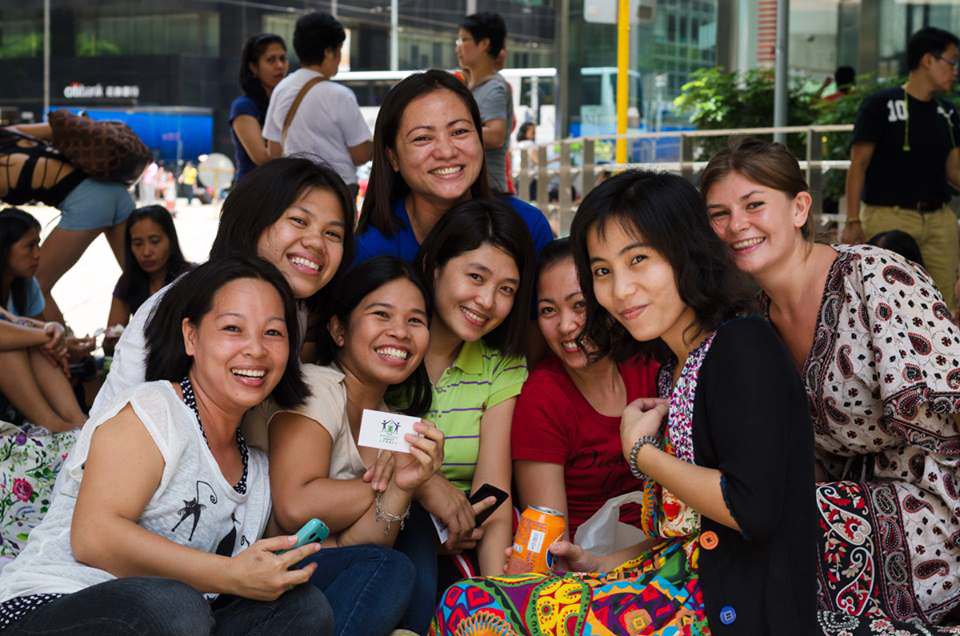
This cultural blend not only benefits families but also strengthens social connections across different communities. Helpers form their own support networks, often gathering on weekends in public spaces to relax, connect, and share experiences. These social groups play an essential role in maintaining their well-being and sense of belonging.
Challenges Faced by Domestic Helpers
Despite their significant contributions, domestic helpers in Hong Kong face various challenges. The requirement to live in the employer’s household can sometimes blur the line between personal and work life, leading to long hours and limited privacy. Cultural misunderstandings or differences in expectations between employers and helpers may also create tension.
Another challenge is homesickness, as many helpers leave behind their own families to work abroad. They often sacrifice time with their children and loved ones in order to provide financial support back home. While remittances help improve their families’ quality of life, the emotional cost is heavy.
Furthermore, some helpers face issues such as unfair treatment, contract violations, or lack of rest days. Non-governmental organizations and advocacy groups in Hong Kong play a vital role in supporting helpers by providing legal advice, shelter, and training opportunities.
The Role of Employers in Creating a Respectful Environment
The employer-helper relationship is crucial to ensuring a positive work environment. Employers who respect their helpers, communicate clearly, and set realistic expectations are more likely to build long-term, successful working relationships. Providing regular rest days, respecting privacy, and offering appreciation for hard work are small gestures that go a long way in fostering trust and loyalty.
Training and orientation can also help employers understand the cultural background and needs of their domestic helper. This approach minimizes misunderstandings and promotes mutual respect, ensuring both parties benefit from the arrangement.
Economic Impact of Domestic Helpers
The contribution of domestic helpers in Hong Kong is not limited to household support. On a larger scale, they play an important role in the city’s economy. By enabling professionals to dedicate time to their careers, helpers indirectly boost productivity across industries. Their remittances sent back home also support economic development in their countries of origin, strengthening international ties between Hong Kong and nations like the Philippines and Indonesia.
Moreover, domestic helpers are consumers themselves. They participate in Hong Kong’s economy by purchasing goods, services, and essentials. This dual role as both workers and consumers highlights their importance to the overall economic fabric of the city.
Building a Future of Mutual Respect
The future of domestic helper employment in Hong Kong depends on building an environment of fairness, respect, and mutual understanding. Employers can contribute by offering better working conditions, recognizing the sacrifices helpers make, and treating them as partners in household management.
At the same time, government policies must continue to evolve to protect the rights of helpers, ensuring they are not vulnerable to exploitation. By strengthening labor protections and promoting awareness, Hong Kong can create a healthier, more respectful framework for domestic work.
Conclusion
A domestic helper in Hong Kong is much more than a household assistant. They are caregivers, educators, companions, and an integral part of many families’ daily lives. Their contributions reach beyond individual households, influencing the economy, cultural diversity, and social structure of the city.
Recognizing the value of domestic helpers and addressing the challenges they face is essential for building a balanced society. By fostering respect, fairness, and cultural appreciation, Hong Kong can continue to rely on domestic helpers while ensuring their well-being and dignity are preserved.