
In the rapidly evolving digital era, smartphones have become essential tools for communication, work, and entertainment macbook 回收. Among them, the iphone holds a premium place due to its advanced technology, sleek design, and global brand recognition. However, one pressing issue often overlooked is what happens to these devices once they are no longer in use. The concept of high-priced iphone recycling Cell phone Recycling has grown into a critical industry, balancing environmental responsibility with economic opportunity.
Understanding the value of High-Priced iphones
iphones are often considered luxury devices compared to many other smartphones. The components used in their production include rare earth metals, gold, silver, and other high-value materials. When an iphone reaches the end of its life cycle, discarding it without proper processing wastes these valuable resources. High-priced iphone recycling takes this into account, ensuring that the embedded materials are recovered and reused in new devices or other industries.
Unlike lower-cost phones, high-end iphones retain significant residual value even after years of use. This makes recycling them more attractive for both consumers and companies. Many recycling firms have created programs that specifically target premium models, offering buyback options or eco-friendly disposal services that reward users financially while keeping electronic waste out of landfills.
The Growing Importance of Cell phone Recycling
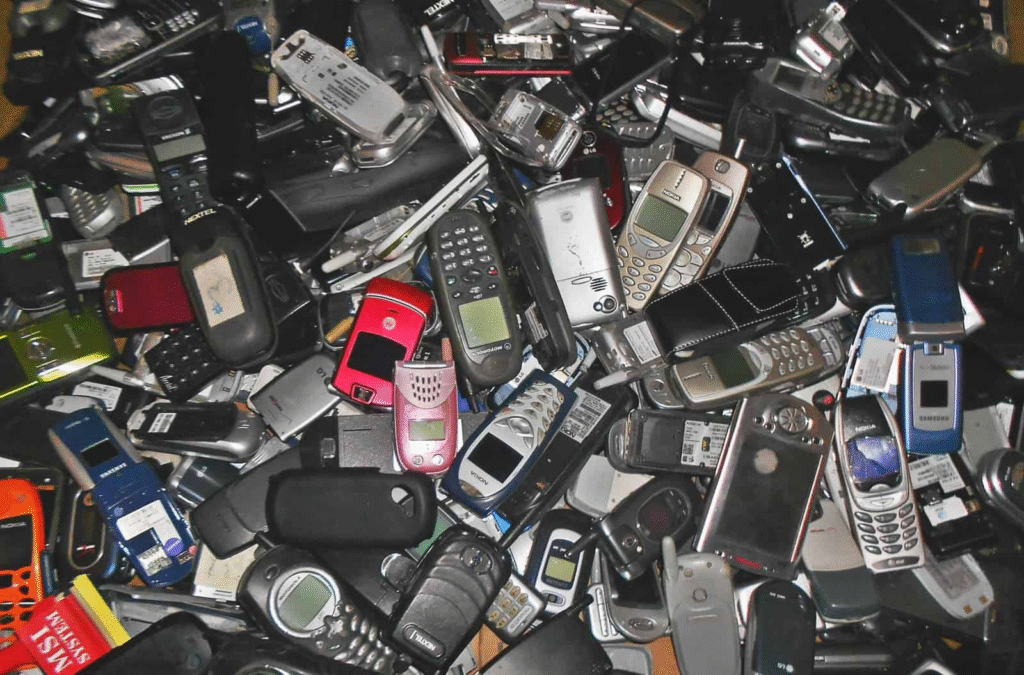
Cell phone recycling as a whole has become a pressing global necessity. With billions of mobile devices in circulation worldwide, the sheer volume of discarded electronics poses an environmental threat. Toxic substances such as lead, cadmium, and mercury are found in phone batteries and components. When improperly discarded, these substances can seep into soil and water, creating long-term environmental hazards.
By adopting cell phone recycling, the global community benefits from reduced e-waste and a more sustainable supply of raw materials. This circular economy approach lessens the need for mining, conserves natural resources, and minimizes pollution. High-priced iphone recycling serves as a flagship example of how valuable devices can become part of a greener economy.
How High-Priced iphone Recycling Works
The process of recycling premium iphones is sophisticated and involves several stages. Devices collected through recycling programs undergo inspection to determine their potential for refurbishment or material recovery.
- Refurbishment: If the device is in reasonable condition, it may be repaired, reset, and resold as a certified pre-owned unit. This extends the phone’s lifecycle and ensures that fewer new resources are required for production.
- Material Recovery: If refurbishment is not possible, the phone is dismantled to extract metals, plastics, and glass. Advanced technologies like robotic disassembly are increasingly being used to safely separate delicate components, such as lithium batteries.
Apple itself has introduced robots like “Daisy” that can dismantle iphones efficiently and recover reusable materials. This system highlights the growing synergy between high-priced iphone recycling and the broader cell phone recycling movement.
The Financial Incentive Behind Recycling Premium Devices
One reason high-priced iphone recycling has gained momentum is the financial value locked within these devices. For consumers, trading in an old iphone for credit towards a new model or receiving cash for a recycled device is an appealing incentive. For companies, the recovered materials reduce dependency on expensive raw material sourcing.
Gold, for example, is found in small amounts within the circuitry of iphones. When multiplied by millions of devices, the recovered gold translates into significant economic benefit. Silver, copper, and aluminum also contribute to the profitability of recycling efforts. This blend of environmental and financial motivation makes recycling a win-win solution.
Challenges in Cell phone Recycling
Despite the benefits, challenges remain in scaling up cell phone recycling programs. One major issue is consumer participation. Many people keep their old phones in drawers or dispose of them improperly rather than turning them in for recycling. Awareness campaigns are essential to encourage individuals to see the value in recycling.
Another challenge lies in the complexity of modern devices. Smartphones, particularly high-priced models like iphones, are designed with compact, intricate structures that make disassembly difficult. Without specialized technology, recycling efforts can be inefficient or even hazardous. Developing safer, more effective dismantling techniques is crucial to improving recycling rates worldwide.
Environmental and Social Benefits of Recycling iphones
The environmental benefits of recycling iphones and other cell phones cannot be overstated. By reducing electronic waste, we minimize pollution and conserve ecosystems. Proper recycling also prevents harmful substances from contaminating air, water, and soil.
Beyond environmental advantages, there are also social benefits. Many recycled devices are refurbished and donated to individuals or communities in need. This extends access to digital technology, bridging gaps in education, communication, and opportunity. Programs that combine sustainability with social impact demonstrate how high-priced iphone recycling Cell phone Recycling can contribute to a more inclusive world.
The Role of Governments and Organizations
Government regulations play a key role in shaping the future of electronics recycling. In some regions, strict rules require companies to take responsibility for the end-of-life management of their products. Extended Producer Responsibility (EPR) policies encourage manufacturers to design devices that are easier to recycle and to fund recycling programs.
Organizations, both private and nonprofit, also contribute to expanding awareness and accessibility of recycling services. Partnerships between tech companies and recycling firms have made it easier for consumers to drop off old devices at retail stores or mail them to certified facilities. Such collaborations make high-priced iphone recycling more convenient, increasing participation rates.
Future Outlook of High-Priced iphone Recycling
As technology continues to advance, the demand for smartphones will only grow. This makes cell phone recycling a long-term necessity rather than a temporary solution. With the rise of artificial intelligence, robotics, and advanced material recovery methods, recycling high-priced iphones will become increasingly efficient.
Consumers will likely see more lucrative trade-in programs and environmentally conscious marketing campaigns. Manufacturers will continue to improve product designs that allow for easier disassembly and reuse. Over time, the line between buying new and recycling old devices will blur, creating a truly circular smartphone economy.
Conclusion
The intersection of high-priced iphone recycling Cell phone Recycling reflects a powerful shift in how society views electronic devices. No longer are old iphones considered worthless once they stop functioning; instead, they are seen as valuable sources of materials and opportunities for reuse. Recycling premium devices not only generates financial returns but also protects the planet and supports global sustainability efforts.
As awareness grows and technology evolves, recycling iphones and other cell phones will become second nature to consumers. This cultural shift is essential for reducing electronic waste, conserving resources, and building a greener future. Ultimately, the choice to recycle is not just about disposing of an old device—it is about taking responsibility for the world we live in today and the generations that will inherit it tomorrow.