Card printing has quietly remained an essential part of communication, branding, and personal expression despite the rapid rise of digital alternatives. From business cards exchanged in professional settings to invitation cards that mark life’s most meaningful moments, the practice of creating physical cards continues to hold a unique charm. It blends creativity with functionality, allowing individuals and businesses to convey messages in a tangible and memorable way.
At its core, card printing is about more than simply transferring ink onto paper 卡片. It involves a thoughtful process that considers design, material, texture, and purpose. Each decision contributes to how the final product feels and how it is perceived by its recipient. In a world saturated with digital messages, a well-crafted printed card can stand out as something personal and lasting.
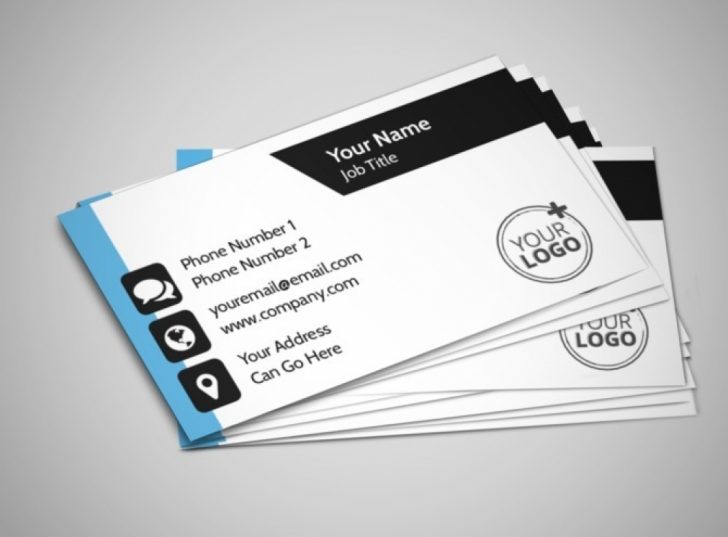
One of the defining aspects of card printing is its versatility. Businesses rely heavily on printed cards to establish their identity. A well-designed business card can communicate professionalism, creativity, and attention to detail within seconds. The choice of font, color scheme, and layout all work together to create a lasting impression. Even in an era where contact information can be shared instantly via smartphones, handing over a physical card adds a human touch that technology cannot replicate.
Beyond professional use, card printing plays a significant role in personal celebrations. Wedding invitations, birthday cards, and holiday greetings all benefit from the tactile experience that printed cards provide. The weight of the paper, the finish of the surface, and the intricacy of the design contribute to a sense of occasion. These cards often become keepsakes, cherished long after the event has passed.
The materials used in card printing have evolved significantly over time. Traditional paper options have expanded to include textured stocks, recycled materials, and specialty finishes such as matte, gloss, and satin. These variations allow for greater customization and help creators match the card’s appearance with its intended message. For instance, a minimalist design printed on thick, uncoated paper can convey elegance and simplicity, while a vibrant design on glossy stock can evoke energy and excitement.
Printing techniques have also seen remarkable advancements. Digital printing has made it easier and more affordable to produce small batches of high-quality cards, making it accessible to individuals and small businesses alike. On the other hand, traditional methods such as offset printing and letterpress continue to be valued for their distinct qualities. Letterpress, in particular, offers a tactile impression that adds depth and character, making each card feel like a piece of art.
Another important element in card printing is customization. Modern consumers increasingly seek personalized products that reflect their identity or brand. Custom card printing services allow users to choose everything from dimensions and color palettes to typography and imagery. This level of control ensures that each card is unique and tailored to its specific purpose. Whether it is a corporate brand aiming for consistency or an individual planning a special event, customization enhances the overall impact of the card.
Sustainability has also become a key consideration in the world of card printing. As awareness of environmental issues grows, many printing companies are adopting eco-friendly practices. This includes using recycled paper, soy-based inks, and energy-efficient production methods. Consumers are also becoming more conscious of their choices, often opting for sustainable options that align with their values. This shift demonstrates that card printing can evolve to meet modern expectations without losing its traditional appeal.
Design trends in card printing continue to change, reflecting broader cultural and artistic movements. Minimalist designs with clean lines and subtle color schemes have gained popularity for their timeless appeal. At the same time, bold typography and creative layouts are being used to capture attention and convey personality. The integration of digital tools in the design process has opened up new possibilities, allowing designers to experiment with intricate patterns, gradients, and visual effects before bringing them to life in print.
The emotional impact of card printing should not be underestimated. Receiving a physical card often feels more meaningful than a digital message. It shows that the sender has taken the time to create something tangible, adding a layer of sincerity to the communication. This emotional connection is particularly important in personal contexts, where cards serve as expressions of love, gratitude, and celebration.
In the business world, card printing continues to be a valuable marketing tool. Promotional cards, loyalty cards, and event invitations all contribute to brand visibility and customer engagement. A well-designed card can reinforce brand identity and encourage recipients to take action, whether it is visiting a website, attending an event, or making a purchase. The physical nature of printed cards also means they are less likely to be overlooked compared to digital advertisements that can be easily ignored.
Technology has not diminished the relevance of card printing; instead, it has enhanced it. Online design platforms and printing services have made it easier than ever to create professional-quality cards from the comfort of one’s home or office. Users can choose from a wide range of templates or design their own from scratch, ensuring that the final product meets their exact requirements. This accessibility has democratized card printing, allowing more people to participate in the creative process.
Looking ahead, the future of card printing appears promising. Innovations such as augmented reality integration and smart printing techniques are beginning to bridge the gap between physical and digital experiences. Imagine a printed card that, when scanned with a smartphone, reveals interactive content such as videos or animations. These advancements demonstrate that card printing is not static but continually adapting to new technologies and consumer expectations.
Despite these innovations, the fundamental appeal of card printing remains unchanged. It is a medium that combines creativity, craftsmanship, and communication in a way that few other formats can. Whether used for professional networking, personal celebrations, or artistic expression, printed cards continue to hold a special place in our lives.
In conclusion, card printing is more than just a practical service; it is a form of expression that connects people in meaningful ways. Its ability to adapt to changing trends and technologies ensures its continued relevance in a digital world. By blending tradition with innovation, card printing offers endless possibilities for creativity and communication, making it an enduring and valuable practice for years to come.