
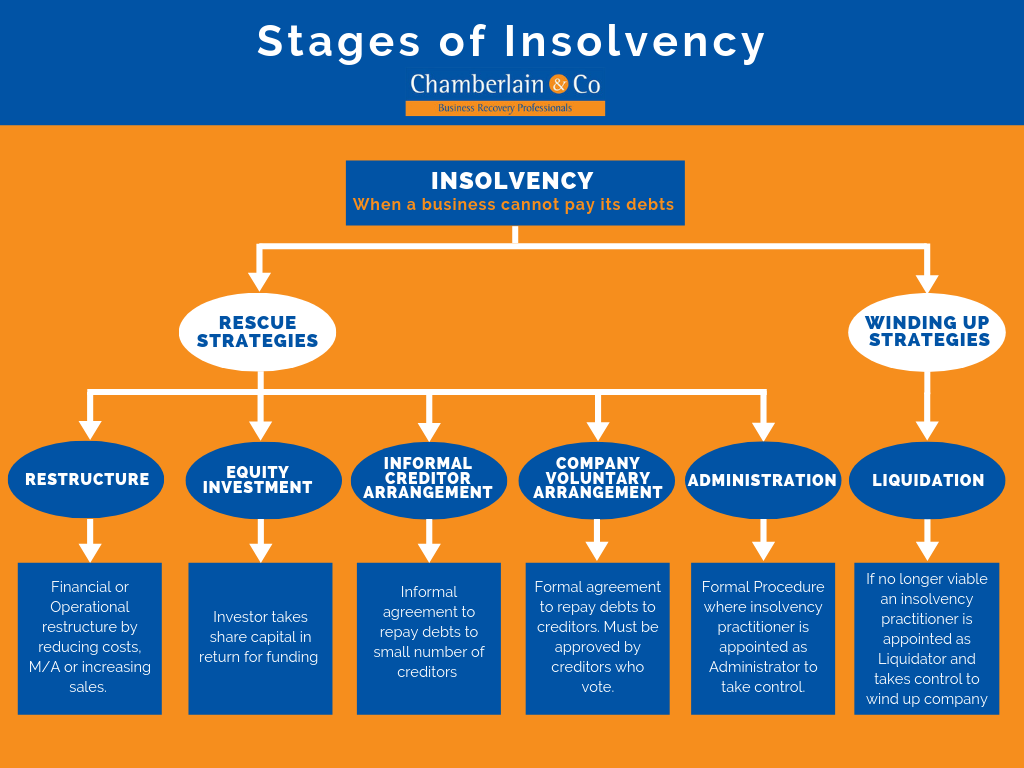
When a business is unable to pay its financial obligations, it often faces the possibility of bankruptcy. While bankruptcy carries a negative reputation, it can also be the beginning of a structured path toward recovery 清盤程序. One of the most important mechanisms within bankruptcy is the Bankrupt Company Debt Restructuring process, which allows organizations to renegotiate their obligations and reorganize their financial foundation. This process is vital for companies that wish to regain stability, protect their employees, and preserve relationships with creditors while finding a sustainable way forward.
The Role of Debt Restructuring in business Survival
The Bankrupt Company Debt Restructuring process provides a second chance to struggling businesses. Instead of liquidating assets and completely shutting down, companies can use restructuring as a tool to reorganize debt into more manageable terms. This helps maintain operations, preserve jobs, and allow creditors to recover a portion of what is owed. For many firms, debt restructuring is less about erasing obligations and more about adjusting payment terms to create long-term feasibility.
Restructuring ensures that companies do not have to sacrifice their core operations or growth opportunities simply to meet overwhelming financial demands. It allows management to focus on the future rather than constantly battling debt pressure.
Key Stages of the Restructuring Journey
The Bankrupt Company Debt Restructuring process generally follows a series of carefully managed steps. The first stage involves a full financial assessment, where the company analyzes its liabilities, revenue streams, and assets. Without clarity on financial standing, no restructuring plan can succeed.
The next step involves engaging with creditors. Creditors are typically open to negotiations because they understand that a failed business may result in greater losses than a restructured repayment plan. During negotiations, companies may seek extended payment deadlines, reduced interest rates, or partial debt forgiveness.
Once an agreement is reached, legal documentation is put in place to protect both the company and the creditors. Courts may also play a role, particularly if the restructuring occurs under formal bankruptcy proceedings.
Finally, after restructuring terms are approved, the company must demonstrate commitment by adhering to the repayment schedule and operational adjustments. Accountability and transparency are key in ensuring that creditors remain confident in the recovery plan.
Common Methods of Debt Restructuring
Different strategies can be employed within the Bankrupt Company Debt Restructuring process. Some common methods include:
- Debt rescheduling: Extending the repayment timeline, giving the company breathing room to stabilize cash flow.
- Debt-for-equity swap: Converting part of the debt into company ownership shares, allowing creditors to benefit from future growth rather than demanding immediate repayment.
- Interest reduction: Lowering interest rates on outstanding debt to make repayment more affordable.
- Principal reduction: In some cases, creditors may agree to accept a partial settlement of the principal amount owed.
- Operational restructuring: Alongside financial restructuring, businesses often streamline operations by cutting costs, improving efficiency, or divesting unprofitable units.
These methods are chosen depending on the severity of the financial distress and the willingness of creditors to collaborate.
The importance of Creditor Cooperation
The success of the Bankrupt Company Debt Restructuring process depends largely on the cooperation of creditors. Lenders, suppliers, and bondholders must be convinced that restructuring is in their best interest. A company’s ability to present a strong recovery plan, backed by realistic financial projections, often determines whether creditors agree to new terms.
Communication is crucial in this phase. Companies must build trust by being transparent about their challenges, while also showing that they are committed to future growth. In some cases, creditors may appoint restructuring advisors or committees to oversee the process and ensure accountability.
Legal Framework Surrounding Debt Restructuring
Debt restructuring within bankruptcy is often governed by legal frameworks that vary from one jurisdiction to another. For example, in the united states, Chapter 11 bankruptcy allows companies to continue operating while reorganizing their debts. Other countries have similar laws designed to balance the rights of debtors and creditors.
The legal process ensures fairness by protecting the interests of all stakeholders involved. Courts may oversee negotiations, enforce restructuring agreements, and approve reorganization plans. This legal oversight provides an added layer of security, ensuring that the process is conducted ethically and transparently.
Benefits of Debt Restructuring for Businesses
The advantages of engaging in the Bankrupt Company Debt Restructuring process extend far beyond survival. Some key benefits include:
- Business continuity: The company avoids complete shutdown and liquidation, protecting jobs and customer relationships.
- Improved financial stability: Restructuring allows businesses to realign their financial commitments with their actual cash flow.
- Creditor recovery: Creditors may receive more repayment under restructuring than in liquidation scenarios.
- Reputation management: A successful restructuring demonstrates responsibility and commitment to honoring obligations, even during difficult times.
- Growth potential: Once debt is restructured, companies can redirect energy and resources toward rebuilding and expanding.
Challenges Faced During Restructuring
While the benefits are significant, the Bankrupt Company Debt Restructuring process is not without its challenges. Companies often face resistance from creditors who fear reduced returns. Internal challenges also emerge, such as the need to overhaul management practices, reduce expenses, or restructure entire departments.
Additionally, businesses must deal with the stigma of bankruptcy, which may affect customer confidence and employee morale. Successful restructuring requires not only financial adjustments but also effective leadership to rebuild trust among all stakeholders.
Long-Term Outlook After Restructuring
Once the restructuring process is complete, the long-term success of the business depends on disciplined financial management. Companies must avoid returning to unsustainable borrowing or overspending. Instead, they should focus on building resilience through diversification, efficient operations, and strong governance.
Restructured businesses often emerge leaner, more focused, and better equipped to adapt to market changes. When properly executed, the Bankrupt Company Debt Restructuring process can transform a struggling business into a revitalized enterprise with new growth opportunities.
Final thoughts
The Bankrupt Company Debt Restructuring process is a lifeline for businesses drowning in financial distress. Rather than viewing bankruptcy as the end, companies can see it as a structured opportunity to reorganize, rebuild, and return to stability. By negotiating with creditors, leveraging legal protections, and adopting sound financial strategies, organizations can overcome debt burdens and pave the way for future success.
In today’s unpredictable economic climate, restructuring is not just a financial tool but a strategic path toward resilience. Businesses that embrace this process with transparency, cooperation, and determination stand a strong chance of transforming hardship into renewed strength.